What are some effective coping mechanisms for plumbers dealing with mental health stigma?
Plumbers facing mental health stigma can benefit from mindfulness practices, such as meditation or yoga, to reduce stress. Additionally, cognitive-behavioral techniques can be crucial in recognizing and altering negative thought patterns. Engaging in peer support groups specifically tailored for tradespeople can also provide a sense of community and shared understanding.
How can a plumber navigate the ‘tough it out’ culture when addressing mental health concerns?
Navigating the ‘tough it out’ culture involves open communication and encouraging vulnerability. Starting conversations about mental health with trusted peers or supervisors can gradually shift workplace perceptions. Employers can facilitate this change by promoting mental health training and workshops, fostering a supportive environment that emphasizes wellbeing over outdated toughness ideologies.
Are there any scientific approaches to help plumbers manage work-related stress?
Yes, plumbers can apply scientific strategies like stress-reduction techniques based on neuroscience. These include deep-breathing exercises to activate the parasympathetic nervous system, reducing stress hormones, and practicing biofeedback, which offers real-time data on stress responses, empowering individuals to employ relaxation strategies effectively. Additionally, regular physical activity releases endorphins, enhancing overall mood and resilience.
Construction workers die by suicide at nearly twice the rate of other professions, yet plumbers face a dangerous “tough-it-out” culture that prevents them from seeking help. The physical symptoms you’re ignoring might be warning signs of something more serious.
Key Takeaways
- Construction workers, including plumbers, die by suicide at 1.75 times the rate of all other industries, making mental health awareness critical for those in skilled trades.
- Plumbers face significant monthly mental health challenges, with emergency calls, financial pressure, and customer conflicts being primary stressors.
- The ‘tough-it-out’ culture prevents most plumbers from discussing mental health, creating dangerous barriers to seeking help when needed most.
- Proven stress management techniques specifically for plumbers include mindfulness exercises, peer support networks, and physical health practices that build mental resilience.
- Companies implementing peer support programs see measurable stress reduction among their plumbing teams, proving organizational support makes a difference.
The plumbing profession demands more than technical expertise and physical endurance. Behind every emergency call, difficult customer interaction, and physically demanding job lies a mental health challenge that the industry has largely ignored. Understanding these hidden pressures and developing effective coping mechanisms can mean the difference between a sustainable career and dangerous burnout.
Construction Workers Die by Suicide at Higher Rates Than All Industries
The construction industry, which includes plumbing professionals, faces a devastating mental health crisis that extends far beyond workplace stress. Construction workers die by suicide at 1.75 times the rate of workers in all other industries, representing one of the highest suicide rates among all occupations. This alarming statistic reflects deeper systemic issues within skilled trades that have gone unaddressed for decades.
The numbers tell a stark story about an industry in crisis. Construction workers account for 7.4% of the workforce but represent 17.9% of suicide deaths with a reported industry code. This pattern holds true across plumbing specifically, where the combination of high-stress work environments, physical demands, and cultural barriers creates a perfect storm for mental health deterioration.
Understanding these statistics is the first step toward creating meaningful change. Reset Mind Hub’s stress management guide for plumbers addresses these critical issues with practical, evidence-based strategies designed specifically for those working in high-pressure trade environments.
The Hidden Mental Health Crisis in Skilled Trades
Beneath the surface of every plumbing job lies a complex web of stressors that most people never consider. The mental health challenges facing plumbers extend far beyond the occasional difficult day, creating a persistent pattern of psychological pressure that accumulates over time.
Plumbers Experience Frequent Mental Health Problems
Research indicates that plumbers experience mental health problems regularly, with many reporting symptoms on a monthly or weekly basis. These aren’t minor mood fluctuations—they represent genuine psychological distress that impacts both work performance and personal relationships.
The frequent nature of these episodes suggests that plumbing work creates cyclical stress patterns. Emergency calls, seasonal workload changes, and the cumulative effect of physical strain contribute to predictable mental health challenges. Many plumbers report feeling trapped in a cycle where good days are overshadowed by the anticipation of inevitable stressful periods.
Stress feels different for everyone. What's your type?
Take the free 2-minute Stress Reset Assessment and find out.
Take the Free Stress Test →This data contradicts the common perception that skilled tradespeople are naturally resilient to workplace stress. Instead, it reveals a profession where mental health struggles are common rather than exceptional, highlighting the urgent need for targeted intervention strategies.
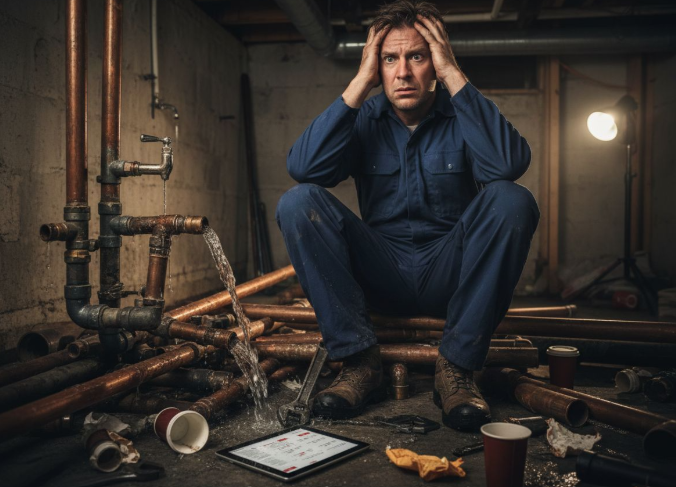
Key Stressors: Emergency Calls, Financial Pressure, and Customer Conflicts
Emergency calls significantly disrupt plumbers’ sleep and personal lives, creating a constant state of alertness that prevents true relaxation. The unpredictable nature of plumbing emergencies means that family dinners, weekend plans, and sleep schedules become secondary to work demands. This irregular schedule creates chronic fatigue and makes it difficult to maintain healthy relationships.
Financial stress compounds these challenges, with money worries being a major concern for many plumbers. The rising cost of materials has become a primary cause of stress, creating pressure to take on additional work while managing increased expenses. Self-employed plumbers face particular vulnerability, balancing the need for income against the risk of overcommitment.
Customer interactions add another layer of complexity, especially during emergency situations where tensions run high. Customer abuse, including insults or threats, affects a significant portion of tradespeople, with reports showing increases in recent years. These confrontations often occur when customers are already stressed about plumbing failures, creating emotionally charged situations that drain mental energy.
How ‘Tough-It-Out’ Culture Prevents Help-Seeking Behavior
The construction industry’s deeply embedded ‘tough-it-out’ culture creates significant barriers to mental health support. This mindset, while potentially useful for handling physical challenges, becomes dangerous when applied to psychological struggles. Workers are often discouraged from discussing mental health issues, leading to problems worsening if left untreated.
This cultural expectation creates a paradox: the very resilience that helps plumbers handle difficult working conditions also prevents them from seeking help when they need it most. The stereotype of the rugged, self-reliant tradesperson makes vulnerability feel like failure, even when reaching out could prevent more serious problems.
The result is a workforce that suffers in silence, believing that acknowledging mental health struggles represents weakness. This isolation compounds existing stressors, creating a downward spiral where pride becomes a barrier to recovery and long-term well-being.
Breaking Through the Stigma Barrier
Mental health stigma in the plumbing industry operates like a hidden drain, silently undermining the well-being of thousands of professionals. Breaking through this barrier requires understanding both its scope and its devastating effects on help-seeking behavior.
Why Most Plumbers Won’t Discuss Mental Health
Research shows that the vast majority of plumbers report not feeling comfortable talking about their mental health, with only a small percentage having spoken to friends or family about their struggles. This silence isn’t accidental—it’s the result of systemic cultural pressures that equate emotional openness with professional weakness.
Many plumbers worry about colleagues’ perceptions, with some specifically citing concern about how coworkers would react to mental health discussions. This fear extends beyond personal relationships into professional consequences, as some worry that admitting to stress or anxiety could impact their reputation or job security.
The inability to take time off compounds this problem, with many tradespeople feeling they cannot take time off work for mental health reasons. This creates a trapped feeling where plumbers recognize they need help but see no practical way to access it without jeopardizing their livelihood.
Physical Symptoms That Signal Mental Health Decline
Mental health struggles in plumbers often manifest through physical symptoms that are easy to dismiss as normal job-related wear and tear. Chronic pain from repetitive movements, heavy lifting, and awkward postures can contribute to mental well-being decline over time, creating a cycle where physical and psychological stress reinforce each other.
Plumbers frequently experience joint aches, back pain, trapped nerves, and repetitive strain injuries. While these seem like purely physical issues, chronic pain significantly increases the risk of depression and anxiety. The constant discomfort, combined with worry about long-term physical health, creates additional mental stress.
Sleep disturbances represent another critical warning sign, often dismissed as the natural result of irregular work schedules. However, persistent sleep problems frequently indicate underlying anxiety or depression, and the cumulative effect of poor sleep makes it harder to cope with daily stressors. Recognizing these physical manifestations as potential mental health symptoms is crucial for early intervention.
Proven Stress Management Techniques for Plumbers
Effective stress management for plumbers requires techniques that work within the unique constraints of the profession. These evidence-based strategies are specifically designed to be practical, quick to implement, and effective in high-pressure work environments.
1. Mindfulness and Breathing Exercises for High-Pressure Situations
Deep breathing exercises provide simple and effective stress relief that can be done anywhere, making them ideal for plumbers facing urgent situations. Techniques like diaphragmatic breathing, box breathing, and paced breathing can lower heart rate, reduce blood pressure, and induce calm within minutes.
The 4-7-8 breathing technique works particularly well during high-stress moments: inhale for 4 counts, hold for 7, and exhale for 8. This pattern activates the parasympathetic nervous system, naturally counteracting the stress response. Plumbers can use this technique before entering a challenging job site or during brief breaks between tasks.
Mindfulness meditation, practiced for just 10-15 minutes daily, can reduce stress, improve focus, and strengthen problem-solving abilities. Even short mindfulness breaks—focusing completely on the present task without judgment—can provide mental reset during demanding workdays. This practice helps plumbers stay centered when facing multiple pressures simultaneously.
2. Building Support Networks Among Fellow Tradespeople
Peer support networks provide unique understanding that friends and family outside the industry cannot offer. Building strong relationships with colleagues helps plumbers navigate workplace challenges and reduce feelings of isolation. These connections create safe spaces where work-related stress can be discussed openly without judgment.
Formal peer support programs show remarkable effectiveness, with some companies reporting significant improvements in stress levels and reductions in absenteeism after implementing peer support initiatives. These programs pair experienced plumbers with newer professionals, creating mentorship relationships that benefit both parties.
Regular check-ins with trusted colleagues, even brief conversations during breaks, can provide emotional release and practical problem-solving support. Sharing experiences helps normalize the challenges of plumbing work while creating accountability for healthy coping strategies.
3. Time Management Strategies for Irregular Work Schedules
Effective time management becomes crucial when dealing with unpredictable emergency calls and varying job demands. Creating structured daily schedules with built-in buffer time helps manage unexpected issues without creating additional stress. This includes scheduling specific times for administrative tasks, travel between jobs, and brief recovery breaks.
Optimizing job scheduling through digital tools can significantly reduce travel time and minimize downtime between appointments. GPS routing, job tracking apps, and efficient inventory management help streamline operations while reducing the anxiety associated with time pressure.
Setting realistic time limits on tasks prevents jobs from dragging on unnecessarily while maintaining quality standards. This approach helps plumbers maintain better work-life boundaries and reduces the likelihood of taking work stress home at the end of the day.
4. Physical Health Practices That Boost Mental Resilience
Regular exercise outside of work reduces stress, improves mood, and helps normalize sleep patterns. Even 30-minute daily walks or short exercise breaks can provide significant mental health benefits. Physical activity releases endorphins that naturally counteract stress hormones and improve overall well-being.
Core strengthening exercises like planks, sit-ups, or yoga help prevent back injuries while building overall physical resilience. Stronger core muscles reduce the physical strain of plumbing work, which in turn decreases stress and fatigue. Flexibility training through regular stretching or yoga maintains mobility and prevents the accumulation of muscle tension.
Proper nutrition becomes especially important during demanding work periods. Balanced meals with complex carbohydrates, lean proteins, and healthy fats provide sustained energy and stable mood throughout long workdays. Staying properly hydrated supports both physical performance and mental clarity during challenging tasks.
Company Success Stories: Peer Support and Flexible Scheduling
Real-world examples demonstrate that organizational support for mental health creates measurable improvements in both employee well-being and business outcomes. These success stories provide concrete evidence that investing in mental health support benefits everyone involved.
Stress Reduction Through Peer Support Programs
Companies implementing peer support programs and customized break schedules have reported significant improvements in stress levels and reductions in absenteeism. Their approach paired experienced plumbers with newer team members, creating informal mentorship relationships that provided both professional guidance and emotional support.
The success came from recognizing that peer support works differently in trades than in office environments. Rather than formal counseling sessions, they encouraged organic conversations during breaks, shared problem-solving sessions, and team-building activities that strengthened workplace relationships.
This peer support model proved particularly effective because it addressed the isolation that many plumbers experience while respecting the industry’s preference for practical, action-oriented solutions. The reduction in absenteeism demonstrated that supporting mental health directly improves business outcomes.
Flexible Schedules and Mental Health Resources That Work
Progressive plumbing companies have created cultures that prioritize mental health by encouraging open communication and offering flexible work schedules. Their approach included access to mental health resources like hotlines and counseling services, but emphasized practical workplace changes that reduced stress at its source.
These companies found that providing schedule flexibility for non-emergency work significantly improved work-life balance. Allowing plumbers to choose start times within reasonable parameters and offering schedule swaps for personal needs reduced the feeling of being trapped by work demands.
Their success came from understanding that mental health support must be integrated into daily operations rather than treated as an add-on service. By making mental well-being a visible company priority, they reduced stigma while creating practical pathways for employees to seek help when needed.
Small Daily Changes Create Lasting Mental Health Protection
Sustainable mental health improvement comes from consistent small changes rather than dramatic overhauls. Simple daily habits create cumulative benefits that build resilience over time, making it easier to handle inevitable workplace stressors without becoming overwhelmed.
Taking regular 5-10 minute breaks throughout the workday provides mental reset opportunities that prevent stress accumulation. These breaks work best when they involve stepping away from work tasks completely—whether through brief walks, stretching, or simple breathing exercises. The key is consistency rather than duration.
Establishing clear boundaries between work and personal time protects mental energy for recovery. This might mean setting specific times for checking work messages, creating transition rituals at the end of workdays, or designating technology-free times for family interaction. Small boundary changes create significant long-term benefits.
Building these habits requires patience and self-compassion, recognizing that sustainable change takes time to develop. The goal is creating a lifestyle that supports mental health naturally rather than requiring constant effort to maintain well-being.
For plumbers ready to take control of their mental health and build lasting resilience, Reset Mind Hub provides specialized resources and expert guidance for managing stress and preventing burnout in demanding professions.