ResetMindHub.com — Mental Health & Wellness | Updated May 2026 | 16-minute read | Research-backed
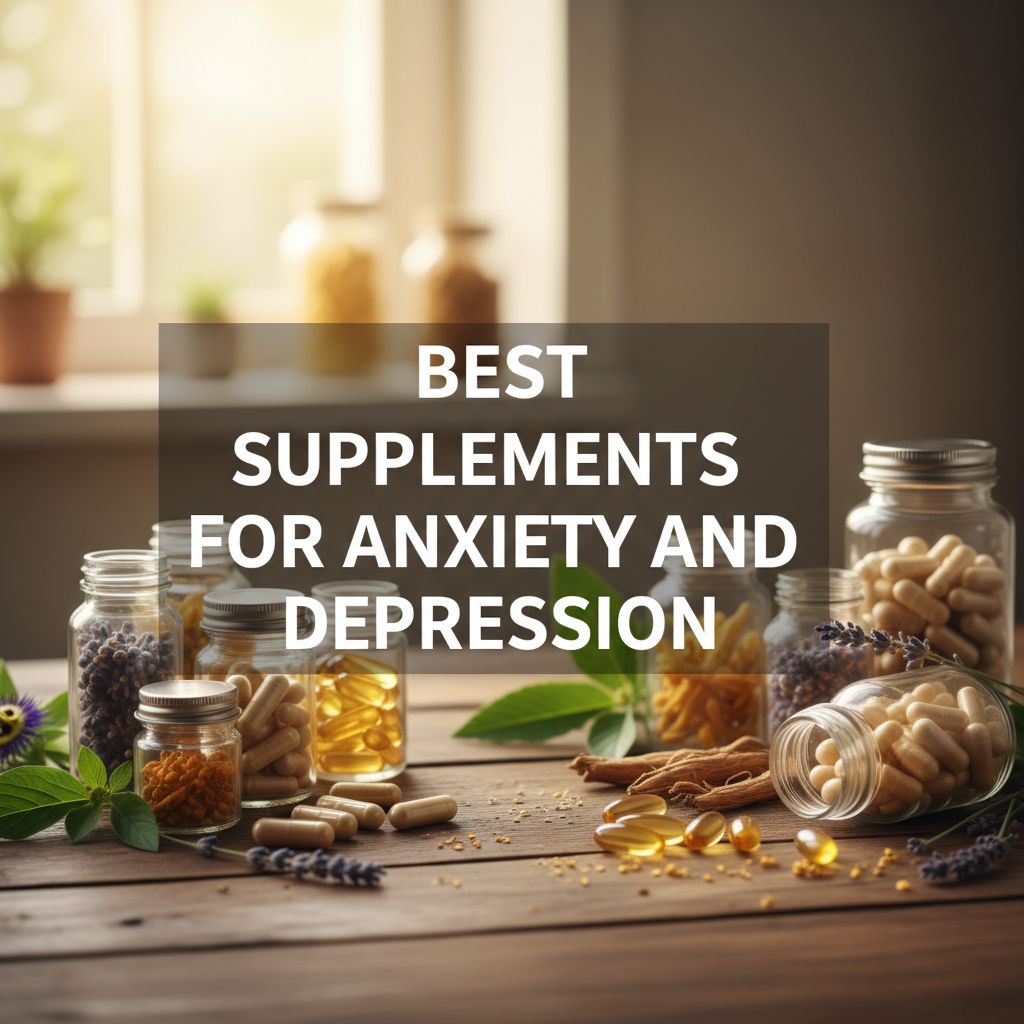
Best Supplements for Anxiety and Depression in 2026
What Actually Works, What Doesn’t, and What to Take Together — The Complete Science-Backed Buyer’s Guide
| 📎 Affiliate Disclosure |
| This article contains affiliate links. Supplement links go to Amazon (affiliate ID: smg00ab-20). If you purchase through a link, ResetMindHub.com earns a small commission at no extra cost to you. As an Amazon Associate, ResetMindHub.com earns from qualifying purchases.
All recommendations are based on clinical evidence, third-party testing, and independent research — not commission rates. This article does not constitute medical advice. Always consult a healthcare provider before starting any supplement. |
There are hundreds of supplements marketed for anxiety and depression. Most of them have weak or no clinical evidence. A handful have robust, peer-reviewed research behind them. This guide covers only that second group — the supplements with real mechanisms, real studies, and real-world results — and tells you exactly how to take them together safely.
The supplement market for anxiety and depression is enormous, confusing, and full of products that use impressive-sounding ingredient lists to sell you essentially nothing. Ashwagandha is bundled with 14 other herbs at sub-therapeutic doses. Magnesium comes in oxide form — the form with 4% bioavailability that primarily acts as a laxative. L-theanine is dosed at 50mg when 200mg is the studied dose.
This guide cuts through that. We cover eight supplements with meaningful clinical evidence for anxiety and depression, explain exactly how each one works, give you the correct form and dose, and — most importantly — tell you how to combine them intelligently without wasting money or creating interactions.
The Honest Answer: What Supplements Can and Can’t Do
| 40M+ | 8 | 2–8 wks |
| Americans with anxiety disorders — the most common mental health condition in the US (NIMH) | supplements with meaningful peer-reviewed clinical evidence for anxiety and/or depression in 2026 | Minimum time most evidence-based supplements need to produce measurable anxiety reduction |
Supplements for anxiety work through physiological support — restoring depleted minerals, modulating neurotransmitter systems, regulating stress hormones, or reducing neuroinflammation. They are not medications and do not produce drug-level effects. What they can do: meaningfully reduce anxiety intensity over weeks of consistent use, and support the neurological conditions that make therapy and lifestyle interventions more effective.
The most effective approach: supplements as infrastructure, not intervention. They build the neurological and physiological conditions that make everything else work better. Combine them with therapy, exercise, sleep, and vagus nerve regulation for outcomes that genuinely move the needle.
The 8 Best Supplements for Anxiety and Depression in 2026
| #1 😴 Magnesium Glycinate The Foundation Supplement — Most People Are Deficient and Don’t Know It |
|
| How it works: Magnesium is a cofactor in over 300 enzymatic reactions including neurotransmitter synthesis, GABA receptor function, NMDA glutamate receptor regulation, and HPA axis control. Deficiency — which affects approximately 48% of Americans — produces hyperreactivity, elevated stress response, disrupted sleep, and lowered anxiety threshold. Glycinate is bound to glycine, which has its own calming GABA-like properties.Evidence: A 2024 review of 15 high-quality trials found mostly positive results for anxiety and sleep. A Tarleton RCT showed a 4.5-point GAD-7 reduction within two weeks at 248mg elemental magnesium daily (P<0.001). A 2017 systematic review of 18 studies found significant anxiety reduction in vulnerable populations. |
Daily dose: 200–400mg elemental Mg
Timing: Evening or split AM/PM Best form: Glycinate or bisglycinate (NOT oxide) Best for: Anxiety + sleep + general nervous system Stacks with: L-theanine, vitamin B6, ashwagandha Avoid with: Kidney disease — consult doctor Amazon: [INSERT — Pure Encapsulations or Thorne Magnesium Glycinate — tag=smg00ab-20] |
| ℹ️ ResetMindHub Take: Start every supplement protocol here. If you do nothing else, magnesium glycinate 300mg in the evening is the single most broadly beneficial anxiety supplement available. Foundational, safe, and almost certainly needed. | |
| #2 🍵 L-Theanine Calm Alertness in 30 Minutes — The Safest Fast-Acting Anxiety Supplement |
|
| How it works: L-theanine is an amino acid found almost exclusively in green tea. It crosses the blood-brain barrier rapidly, increasing alpha brain wave activity (the relaxed alertness state), boosting GABA, and modulating glutamate. It is unique in producing calm without sedation — unlike most anxiolytics.Evidence: A 2024 Journal of Psychopharmacology study showed 100–200mg reduced anxiety symptoms within an hour. A 2019 Nutrients RCT found significant stress and sleep improvement. Multiple studies confirm the L-theanine + caffeine combination reduces jitteriness while preserving cognitive benefits. FDA GRAS status — exceptional safety record. |
Daily dose: 100–200mg
Timing: 30–60 mins before stressful event or daily Best form: Suntheanine® branded products Best for: Acute anxiety, caffeine jitters, daily maintenance Stacks with: Caffeine, magnesium, vitamin B6 Avoid with: None known at clinical doses Amazon: [INSERT — Pure Encapsulations L-Theanine or NOW Foods — tag=smg00ab-20] |
| ℹ️ ResetMindHub Take: If you only buy two supplements, buy magnesium glycinate and L-theanine. Together they cover GABA support, NMDA regulation, and alpha-wave calm. L-theanine is the tool for the moment; magnesium is the foundation for the week. | |
| #3 🌿 Ashwagandha KSM-66® The HPA Axis Regulator — Reduces Cortisol 23–30% Over 8 Weeks |
|
| How it works: Ashwagandha’s withanolides regulate the HPA axis — the hormonal cascade that produces cortisol in response to stress. Chronic anxiety dysregulates this system, producing elevated baseline cortisol that makes everything feel more threatening. KSM-66 is the most clinically studied extract, standardised to 5%+ withanolides.Evidence: A landmark 2012 Chandrasekhar RCT (n=64) found 300mg twice daily produced 23–28% serum cortisol reduction over 60 days. A 2025 Nutrients study confirmed 30% anxiety reduction after 8 weeks. A 2020 Medicine (Baltimore) meta-analysis concluded ashwagandha significantly reduced anxiety and stress across multiple trials. |
Daily dose: 300–600mg KSM-66®
Timing: Evening (or split AM/PM) Best form: KSM-66® or Sensoril® extract only Best for: Chronic stress, burnout, anxiety + sleep Stacks with: Magnesium glycinate, L-theanine Avoid with: Thyroid medications, autoimmune conditions, pregnancy Amazon: [INSERT — Transparent Labs KSM-66 or Pure Encapsulations — tag=smg00ab-20] |
| ℹ️ ResetMindHub Take: The right supplement for chronic, entrenched anxiety that has been building for months. Give it 8 weeks before evaluating. KSM-66 rebuilds the physiological resilience that chronic stress destroys. | |
| #4 🐟 Omega-3 Fatty Acids (EPA ≥1g/day) Anti-Neuroinflammatory — The Underrated Anxiety and Depression Supplement |
|
| How it works: Omega-3 fatty acids, particularly EPA, reduce neuroinflammation — the systemic brain inflammation that research increasingly links to both anxiety and depression. EPA modulates the HPA axis, supports serotonin and dopamine transmission, and reduces the inflammatory cytokines that contribute to mood disorders.Evidence: A 2018 JAMA Network Open meta-analysis of 19 RCTs found omega-3 supplementation significantly reduced anxiety symptoms. A 2021 Translational Psychiatry meta-analysis found EPA specifically reduced depressive symptoms with a significant effect size. A 2025 PMC review confirmed neuroinflammatory mechanisms linking low omega-3 to anxiety and depression. |
Daily dose: 2–3g total omega-3 (≥1g EPA)
Timing: With food (morning or midday) Best form: High-EPA fish oil (EPA:DHA ratio 2:1 or higher) Best for: Anxiety + depression, physical anxiety symptoms Stacks with: Vitamin D3, B vitamins Avoid with: Blood thinners (consult doctor) Amazon: [INSERT — Nordic Naturals Ultimate Omega or Thorne Super EPA — tag=smg00ab-20] |
| ℹ️ ResetMindHub Take: Most overlooked supplement on this list. If your anxiety comes with physical symptoms (tight chest, gut issues, inflammation), omega-3 addresses the neuroinflammatory layer that no other supplement targets directly. | |
| #5 🌺 Saffron (Affron® 30mg/day) The Emerging Star — As Effective as Low-Dose SSRIs in Multiple 2025 RCTs |
|
| How it works: Saffron (Crocus sativus) modulates serotonin, dopamine, and glutamate systems through its active constituents safranal and crocin. It is particularly effective for the overlap of anxiety and low mood, with a mechanism that differs meaningfully from most other supplements on this list.Evidence: A 2025 American Journal of Clinical Nutrition RCT found saffron extract significantly modulated mood in adults with subclinical depressive symptoms. A 2025 meta-analysis (Shafiee et al.) concluded saffron may be a viable alternative to SSRIs for anxiety and depressive disorders. A 2025 PMC double-blind RCT (n=126) found rhodiola + saffron combination significantly improved Hamilton Depression Scores at 6 weeks. Multiple studies show equivalence to imipramine and fluoxetine for mild-moderate depression. |
Daily dose: 30mg standardised extract
Timing: Morning with food Best form: Affron® or Satiereal® (not generic spice) Best for: Depression + anxiety overlap, low mood, anhedonia Stacks with: Ashwagandha, vitamin B6, omega-3 Avoid with: SSRIs and MAOIs — consult doctor Amazon: [INSERT — Affron® branded saffron — tag=smg00ab-20] |
| ℹ️ ResetMindHub Take: The most exciting new addition to the anxiety and depression supplement toolkit. The 2025 research substantially strengthens the case. If mood is part of your anxiety picture, saffron is the supplement most likely to move that dial meaningfully. | |
| #6 🌾 Rhodiola Rosea (SHR-5 extract) The Fatigue + Anxiety Adaptogen — Works in 1–2 Weeks |
|
| How it works: Rhodiola is a Siberian adaptogen that modulates the stress response through AMPK activation, monoamine oxidase inhibition, and cortisol regulation. Unlike ashwagandha (which is mildly sedative), rhodiola is energising — it raises stress threshold while reducing fatigue. Particularly effective when anxiety is accompanied by exhaustion.Evidence: A 2025 PMC double-blind RCT (n=126) found rhodiola + saffron combination significantly improved Hamilton Depression Scores at 6 weeks. Earlier RCTs with SHR-5 extract found significant reductions in depression, insomnia, emotional instability, and somatisation. A Phytomedicine study found rhodiola reduced generalised anxiety symptoms within one week. |
Daily dose: 200–400mg SHR-5 extract
Timing: Morning only (before food) — avoid evening Best form: SHR-5 standardised (3% rosavins, 1% salidrosides) Best for: Anxiety + fatigue, burnout recovery Stacks with: Omega-3, B vitamins, saffron Avoid with: Ashwagandha (opposing effects), evening use Amazon: [INSERT — Thorne Rhodiola or NOW Foods Rhodiola — tag=smg00ab-20] |
| ℹ️ ResetMindHub Take: The best supplement when anxiety and exhaustion co-exist. Take it in the morning. Results appear faster than ashwagandha, often within 1–2 weeks. | |
| #7 ☀️ Vitamin D3 (with K2) Mood Baseline Support — 42% of Americans Are Deficient |
|
| How it works: Vitamin D3 acts as a hormone with receptors throughout the brain including the hippocampus, amygdala, and prefrontal cortex. It supports serotonin synthesis, modulates the immune-inflammatory pathway linked to depression, and regulates the HPA axis. Deficiency — which affects roughly 42% of Americans — is independently associated with depression and anxiety.Evidence: A 2022 Current Nutrition Reports review documented the link between vitamin D deficiency and anxiety/depression. Multiple RCTs show vitamin D supplementation improves depression scores in deficient individuals. Meta-analyses confirm low vitamin D as a consistent risk factor for mood disorders. |
Daily dose: 2,000–4,000 IU D3 daily
Timing: Morning with fat-containing food Best form: D3 (cholecalciferol) + K2 (MK-7) combination Best for: Mood baseline, winter depression, immune anxiety Stacks with: Magnesium, omega-3 Avoid with: Excessive calcium without K2 Amazon: [INSERT — Thorne D3/K2 or Sports Research D3+K2 — tag=smg00ab-20] |
| ℹ️ ResetMindHub Take: Test before supplementing if possible — a simple blood test reveals whether you’re deficient (25-OH vitamin D below 30 ng/mL). If you are, correcting deficiency is one of the most cost-effective mood interventions available. | |
| #8 🧪 Vitamin B6 (as P-5-P) The Neurotransmitter Synthesis Cofactor — Amplifies Everything Else |
|
| How it works: Vitamin B6 (as pyridoxal-5-phosphate) is an essential cofactor in the synthesis of serotonin, dopamine, GABA, and norepinephrine. Without adequate B6, these pathways are rate-limited regardless of other supplements. It synergises directly with magnesium — a 2021 Noah RCT found magnesium + B6 (30mg) produced superior stress reduction to magnesium alone.Evidence: A 2022 Human Psychopharmacology study found high-dose vitamin B6 (100mg/day) significantly reduced anxiety and depression scores. The 2021 Noah RCT demonstrated the magnesium-B6 combination’s advantage over magnesium alone for stress reduction. |
Daily dose: 25–50mg as P-5-P
Timing: Morning with food Best form: P-5-P (pyridoxal-5-phosphate) — the active form Best for: Amplifying the rest of your supplement stack Stacks with: Magnesium glycinate, saffron, omega-3 Avoid with: Very high doses (>200mg/day long-term) Amazon: [INSERT — Thorne P-5-P or Pure Encapsulations B6 — tag=smg00ab-20] |
| ℹ️ ResetMindHub Take: Think of B6 as the multiplier supplement — it amplifies the effectiveness of everything else by ensuring your neurotransmitter synthesis pathways are fully functional. Add it once the foundation supplements are established. | |
At a Glance: All 8 Supplements Compared
| Supplement | Primary use | Onset | Evidence | Dose/day | Combines with | Avoid with |
|---|---|---|---|---|---|---|
| Magnesium glycinate | Anxiety + sleep | 2–4 wks | ★★★★★ | 200–400mg | L-theanine, B6 | Kidney meds |
| L-Theanine | Calm alertness | 30–60 min | ★★★★★ | 100–200mg | Caffeine, Mg | None known |
| Ashwagandha KSM-66 | Chronic stress + cortisol | 4–8 wks | ★★★★★ | 300–600mg | Magnesium, L-theanine | Thyroid meds |
| Omega-3 (EPA ≥1g) | Anxiety + neuroinflam. | 8–12 wks | ★★★★☆ | 2–3g total | B vitamins, D3 | Blood thinners |
| Vitamin B6 (P-5-P) | Neurotransmitter synthesis | 2–4 wks | ★★★★☆ | 30–50mg | Magnesium, Mg-Taurate | High-dose B12 |
| Saffron (Affron®) | Depression + mood | 2–6 wks | ★★★★☆ | 30mg std. extract | Ashwagandha, B6 | SSRIs (caution) |
| Rhodiola rosea | Fatigue + resilience | 1–2 wks | ★★★★☆ | 200–400mg SHR-5 | Omega-3, B vits | Ashwagandha (opposing) |
| Vitamin D3 | Mood + immune | 4–8 wks | ★★★☆☆ | 2,000–4,000 IU | K2, Magnesium | Calcium excess |
How to Combine Them: Evidence-Based Supplement Stacks
| Goal | Stack | Timing | Why it works |
|---|---|---|---|
| Everyday anxiety maintenance | Magnesium glycinate (300mg) + L-theanine (200mg) | Evening | Covers GABA, NMDA, and alpha-wave regulation simultaneously |
| Chronic stress + burnout | Ashwagandha KSM-66 (600mg) + Magnesium glycinate (300mg) | Evening | HPA axis regulation + nervous system mineral restoration |
| Anxiety + depression together | Saffron Affron® (30mg) + Omega-3 EPA (1g+) + Vitamin B6 (30mg) | Morning with food | Serotonin modulation + neuroinflammation + cofactor synthesis |
| Anxiety + fatigue + low energy | Rhodiola rosea (300mg) + Omega-3 (2g) + Vitamin D3 (2,000 IU) | Morning | Adaptogen energy + anti-inflammatory + mood baseline |
| Anxiety + poor sleep | Magnesium glycinate (400mg) + L-theanine (200mg) + Ashwagandha (300mg) | 60–90 mins before bed | Triple parasympathetic support: mineral + GABA + cortisol |
| Complete daily protocol | Magnesium glycinate (300mg) + L-theanine (200mg AM) + Omega-3 (2g) + Vitamin D3 (2,000 IU) + Saffron (30mg) | Split: AM and PM | Full-spectrum supplement support — all five evidence-based mechanisms |
The golden rule of supplement stacking: always introduce one supplement at a time. Start with magnesium glycinate for two weeks. Then add L-theanine. Then add the next. This lets you attribute effects (and any side effects) accurately.
Which Supplement Is Right for You?
| Your situation | Best starting supplement |
|---|---|
| I feel anxious all day and want a daily foundation supplement | Magnesium glycinate 300mg — start here |
| I need to calm down quickly before a meeting or event | L-Theanine 200mg — works within 30–60 minutes |
| I’ve been chronically stressed or burned out for weeks/months | Ashwagandha KSM-66 600mg — 4–8 weeks to full effect |
| My anxiety has a strong low mood or depression component | Saffron Affron® 30mg — strongest mood evidence after SSRIs |
| I’m exhausted and anxious at the same time | Rhodiola rosea 300mg — adaptogen for fatigue + resilience |
| My anxiety feels physical (racing heart, tight chest, gut issues) | Omega-3 EPA 1g+ daily — reduces neuroinflammation |
| I’ve been inside all winter and suspect I’m low in something | Vitamin D3 2,000–4,000 IU — 42% of Americans are deficient |
| I drink a lot of coffee and get jittery/anxious | L-Theanine 200mg with every coffee — smooths without blocking |
| I want the best overall anxiety + depression stack | Magnesium glycinate + L-theanine + Saffron + Omega-3 + Vitamin D3 |
| I’m not sure where to start | Magnesium glycinate — safest, most broadly beneficial starting point |
What to Skip — Supplements Without the Evidence
- 5-HTP: Theoretically raises serotonin but evidence for anxiety is weak and combination with SSRIs risks serotonin syndrome. Use saffron instead — better evidence, safer profile.
- Valerian root: Cochrane reviews found insufficient evidence to support its use for anxiety or sleep disorders.
- GABA supplements: GABA molecules do not cross the blood-brain barrier effectively in standard supplement form. Products claiming to raise brain GABA via oral supplementation are not supported by pharmacokinetic research.
- St. John’s Wort: Some antidepressant evidence but dangerous interactions with antidepressants, contraceptives, blood thinners, and HIV medications. Only consider under medical supervision.
- Generic ‘anxiety blends’ with 12+ ingredients: Individual ingredients are typically at sub-therapeutic doses. You are paying for marketing, not medicine.
People Also Ask: Supplements for Anxiety and Depression, Answered
What supplements actually help with anxiety?
Eight supplements have meaningful peer-reviewed clinical evidence for anxiety: magnesium glycinate, L-theanine, ashwagandha KSM-66, omega-3 fatty acids (EPA), saffron (Affron®), rhodiola rosea (SHR-5), vitamin D3, and vitamin B6 (P-5-P). The strongest evidence is for magnesium glycinate (4.5-point GAD-7 reduction in two weeks in one RCT), L-theanine (multiple RCTs confirming anxiety reduction within an hour), and ashwagandha (23–30% cortisol reduction over 8 weeks in multiple trials).
What is the best supplement for anxiety?
Magnesium glycinate is the best foundation supplement — most widely needed (48% of Americans are deficient), most broadly effective, and safest for daily long-term use. For fast-acting relief, L-theanine works within 30–60 minutes with no sedation and no known interactions. For chronic anxiety and burnout, ashwagandha KSM-66 is the most evidence-backed long-term option. For anxiety with a mood or depression component, saffron (Affron® 30mg) is the most promising based on 2025 research.
Stress feels different for everyone. What's your type?
Take the free 2-minute Stress Reset Assessment and find out.
Take the Free Stress Test →What supplements help with depression?
The strongest supplement evidence for depression is: saffron (Affron® 30mg/day) — a 2025 meta-analysis concluded it may be a viable alternative to SSRIs for mild-to-moderate depression; omega-3 EPA (1g+/day) — a 2021 Translational Psychiatry meta-analysis confirmed significant antidepressant effects; vitamin D3 — strongly linked to depression in deficient individuals; and rhodiola rosea — multiple RCTs showing antidepressant effects. These complement but do not replace professional treatment for moderate-to-severe depression.
Is ashwagandha or magnesium better for anxiety?
They work through different mechanisms and suit different types of anxiety. Magnesium glycinate is better for everyday foundational support, sleep, and physical nervous system symptoms. Ashwagandha KSM-66 is better for chronic anxiety, burnout, and high cortisol — regulating the HPA axis over 4–8 weeks. They combine well and are commonly stacked together. If you can only choose one, magnesium glycinate is the higher-priority starting point.
What supplements should I take for anxiety and depression together?
The most evidence-backed combination: magnesium glycinate (300mg evening) + L-theanine (200mg as needed) + saffron Affron® (30mg morning) + omega-3 EPA (1g+ with food) + vitamin B6 as P-5-P (30–50mg morning). This covers the GABA, NMDA, HPA axis, serotonin, neuroinflammation, and neurotransmitter synthesis pathways simultaneously. Introduce one supplement at a time over 4–6 weeks.
Can supplements replace antidepressants?
No — and they should not be positioned as a replacement without medical supervision. For mild-to-moderate depression, some supplements (particularly saffron and omega-3) have produced effects comparable to low-dose antidepressants in specific RCTs. For moderate-to-severe depression, supplements are adjuncts to professional treatment. Never stop prescribed antidepressants to take supplements without consulting your prescribing doctor. Some combinations (particularly saffron or St. John’s Wort with SSRIs) risk serotonin syndrome.
What is the best time to take anxiety supplements?
Timing varies by supplement: L-theanine — 30–60 minutes before a stressful event or morning daily. Magnesium glycinate — evening. Ashwagandha KSM-66 — evening (mildly sedative). Rhodiola rosea — morning only (energising — disrupts sleep if taken at night). Saffron — morning with food. Omega-3 — morning or midday with food. Vitamin D3 — morning with fat-containing food. Vitamin B6 (P-5-P) — morning with food.
How long do supplements take to work for anxiety?
L-theanine works within 30–60 minutes of the first dose. Rhodiola rosea shows measurable effects within 1–2 weeks. Magnesium glycinate produces meaningful anxiety reduction at 2–4 weeks. Saffron and ashwagandha show significant effects at 4–6 weeks and 6–8 weeks respectively. Omega-3 and vitamin D3 operate on 8–12 week timescales. L-theanine is the useful immediate tool while longer-acting supplements build in the background.
Is it safe to take multiple anxiety supplements together?
Many combine safely and synergistically. Safe and effective combinations: magnesium glycinate + L-theanine + ashwagandha + vitamin B6. Omega-3 + vitamin D3 + B vitamins. Saffron + ashwagandha + omega-3. Combinations to approach with caution: saffron or St. John’s Wort with SSRIs/MAOIs. Ashwagandha with thyroid medication. Never combine more than 2–3 new supplements simultaneously — introduce one at a time over 2-week intervals.
What are the side effects of anxiety supplements?
Magnesium glycinate: loose stools at high doses; generally well tolerated. L-theanine: no known significant side effects. Ashwagandha: mild sedation at higher doses; avoid in pregnancy, thyroid conditions, autoimmune disease. Saffron: avoid with SSRIs without medical supervision. Rhodiola: mild stimulation; avoid in evening. Omega-3: fishy aftertaste; blood-thinning at very high doses. Vitamin D3: rare toxicity at excessive doses (>10,000 IU/day long-term). Vitamin B6: peripheral neuropathy at very high doses (>500mg/day long-term) — not a risk at the 25–50mg therapeutic range.
When Supplements Aren’t Enough
The eight supplements in this guide can meaningfully support anxiety and depression management. They cannot treat anxiety disorders or moderate-to-severe depression as standalone interventions. The following signs suggest professional support is needed:
- Your anxiety or depression is significantly affecting your work, relationships, or daily functioning
- You’ve used evidence-based supplements consistently for 8–12 weeks without meaningful improvement
- Your symptoms include thoughts of self-harm or hopelessness
- You are experiencing panic attacks more than once per week
- You have a formal diagnosis of an anxiety disorder or clinical depression
Supplements build the physiological foundation. Therapy addresses the psychological patterns. Exercise raises the threshold. Online therapy platforms like BetterHelp and Talkspace offer access to CBT-trained therapists within 24–48 hours. [INSERT BetterHelp/Talkspace affiliate links]
Final Thoughts: Build the Stack That Fits Your Problem
Start with one supplement. The most likely answer is magnesium glycinate. Add a second after two weeks. Build deliberately. And remember: the supplement is the infrastructure. Therapy, exercise, sleep, and connection are the building you’re constructing on top of it.
The evidence is clear. The supplements are accessible. The decision about where to start is simpler than the market wants you to believe: magnesium glycinate, 300mg, this evening. Everything else is built on that foundation.
🚨 When to Seek Immediate Help
If you are experiencing thoughts of self-harm or suicide, please call or text 988 (Suicide & Crisis Lifeline) — available 24/7. Supplements are not crisis interventions.
Related Reading on ResetMindHub.com:
- L-Theanine vs Ashwagandha for Anxiety: Which Should You Take?
- Magnesium for Anxiety: Which Type Works and What Dose
- Vagus Nerve Exercises for Anxiety: 12 Science-Backed Techniques
- Best Online Therapy That Takes Insurance in 2026
Disclaimer: This article is for informational purposes only and does not constitute medical advice. Supplements are not intended to diagnose, treat, cure, or prevent any disease or mental health condition. Always consult a qualified healthcare provider before starting any supplement regimen, especially if you take prescription medications or have a pre-existing health condition.


Pingback: How Gut Bacteria Control Mood: Vagus Nerve Signals Brain in Real-Time - Reset Mind Hub